Berberine in Nerve Ease: Glucose Research, Drug Cautions, No Nerve Evidence
Quick answer
Berberine HCl is a plant compound studied mainly for blood sugar and weight, not for nerve pain or numbness. Nerve Ease lists it sixth in a 635 mg blend with no amount. It can interact with cyclosporine, several drug-clearing enzymes and some diabetes pills, and it is not advised during pregnancy or breastfeeding.

What is berberine HCl, and what does the Nerve Ease label tell you?
Berberine is a compound taken from plants and sold mostly for blood sugar and weight. The letters HCl tell you it comes as the hydrochloride salt.
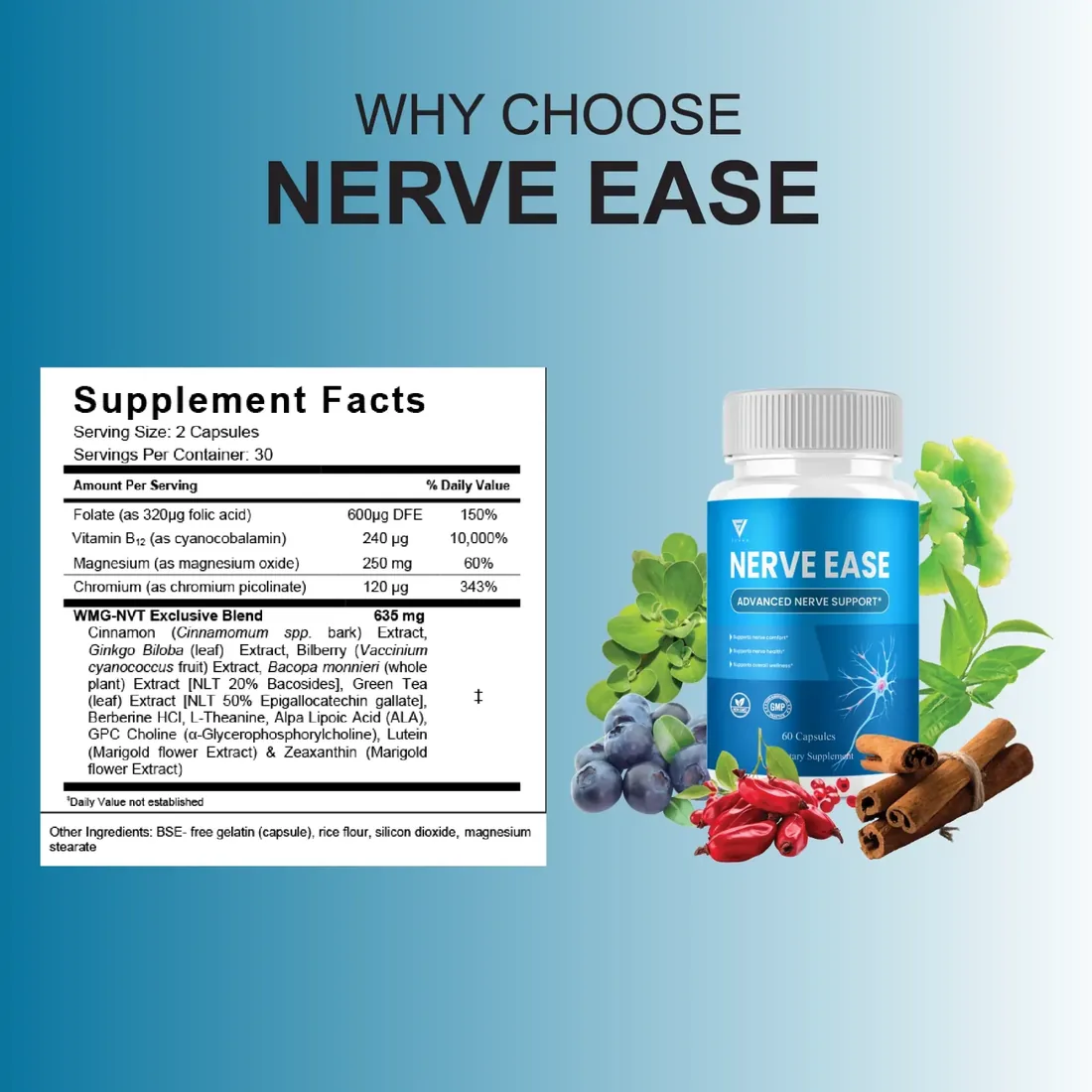
It shares the 635 mg WMG-NVT Exclusive Blend with nine other names. Only that total is printed, so the berberine in each two-capsule serving is not published.
The label also gives no reason for including it. The front says "Supports nerve comfort" and "Supports nerve health", and berberine is not linked to either phrase anywhere on the bottle.
Of the ten blend ingredients, berberine carries one of the longer lists of drug cautions, which is why most of this page is about safety.
Has berberine been studied for neuropathy or nerve pain?
No source we opened tested berberine for nerve pain, tingling, numbness or neuropathy in people. Studies in people focus on glucose and body weight instead, and even there the results are unsettled.
| Question | What the sources say | Source |
|---|---|---|
| Nerve pain or neuropathy | No human study found in any source we opened | Our source review |
| Blood sugar | A 2021 review said it may lower blood glucose; the overall evidence is weak and inconclusive | (NCCIH, Diabetes and Dietary Supplements) |
| Weight loss | Doses and forms varied a lot between studies; no firm conclusion | (NCCIH, Berberine and Weight Loss) |
| Thinking and memory | No human studies; brain effects seen in animals are unconfirmed | (Alzheimer's Drug Discovery Foundation, Berberine) |
So the ingredient cannot be said to support nerve comfort on the strength of research. The best we can say is that it may touch blood sugar, which matters to nerves in people with diabetes.
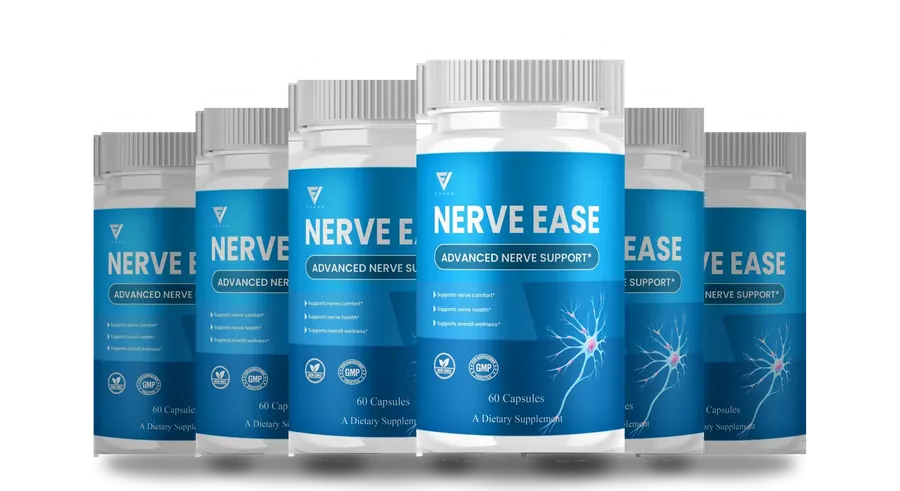
Thinking about Nerve Ease? The best price is on the 15-bottle pack.
15 bottles for $152.88, $10.19 a bottle. eBay buyer protection · Free US shipping · Secure checkout.
Which other Nerve Ease ingredients may also affect blood sugar?
Three more, which makes four in one capsule. Chromium, cinnamon, alpha lipoic acid and berberine itself each have a source linking them to lower blood sugar or to a low-sugar risk with diabetes medicines. Pick a name to read its note.
Plant compound, sixth in the blend
Berberine HCl
NCCIH cites a 2021 review in which berberine may have lowered glucose. Memorial Sloan Kettering adds a possible effect on how the body clears sulfonylurea pills, with no settled clinical meaning.
Studied at: 250 to 500 mg per dose, two to three doses daily (usual herbal product directions)
Trace mineral, 120 mcg (343% DV)
Chromium
Taken with insulin or diabetes pills, chromium could raise the risk of low blood sugar, the NIH supplement office warns.
Studied at: Diabetes trials used chromium picolinate, including 1,000 mcg a day
Read the Chromium pageSpice extract, first in the blend
Cinnamon
NCCIH says it is unclear whether cinnamon helps diabetes. A foundation review says it can lower blood sugar, so people with diabetes should be careful.
Studied at: Up to 6 g of cassia cinnamon a day in short trials
Read the Cinnamon pageEighth blend name, sold as an antioxidant
Alpha lipoic acid
High doses can cause low blood sugar and may add to diabetes drugs, though a 2019 review found it no better than placebo at lowering blood sugar.
Studied at: 600 mg a day in diabetic nerve trials
Read the Alpha lipoic acid pageWhat should someone with diabetes and numb feet know about berberine?
That it is not a diabetes treatment, and that blood sugar care is where nerve protection is actually shown. CDC says closely managing blood sugar can prevent or delay diabetic nerve damage (CDC, Diabetes and Nerve Damage).
NIDDK says diabetes experts have made no special recommendations for supplements and asks people to talk with a doctor before using one (NIDDK, Peripheral Neuropathy (diabetic)). If your sugar drops or swings after you start a new product, your prescriber needs to know.
Metformin users have one more reason to talk first. In metformin trials, B12 levels fell in about 7% of patients (FDA, Glucophage (metformin) prescribing information), and low B12 can itself cause numbness and tingling. Our B12 and folate page explains why a blood test beats guessing.
Which prescriptions could berberine clash with?
Several. The sources name a transplant drug, three drug-clearing liver enzymes and one class of diabetes pills.
- Cyclosporine
- Levels of this transplant drug may climb (Memorial Sloan Kettering, Berberine (About Herbs)); NCCIH uses it as its example interaction (NCCIH, Berberine and Weight Loss)
- CYP2D6, CYP2C9, CYP3A4
- Enzymes that break down a wide range of medicines; berberine slowed them at doses some studies used
- Sulfonylureas
- Diabetes pills whose breakdown berberine may affect; the clinical effect is not determined
- Other diabetes medicines
- Tell your provider about any supplement (NCCIH, Diabetes and Dietary Supplements)
Green tea extract in the same blend also acts on CYP3A4. If you take a prescription, show the whole Nerve Ease label to your pharmacist rather than one ingredient at a time.
Is there enough berberine in Nerve Ease to matter?
Probably well below a typical herbal dose, if the label is in weight order. Under FDA labeling rules a blend's names run from most to least by weight (FDA, Dietary Supplement Labeling Guide, Ch. IV), and berberine is sixth.
Six equal shares of 635 mg are about 106 mg, so that is the most berberine there could be. LiverTox gives usual herbal product directions of 250 to 500 mg per dose, two to three doses daily (LiverTox (NIDDK), Berberine), or 500 to 1,500 mg in a day. This is our arithmetic, not a lab result, and the real amount could be much lower.
A small amount does not cancel the interaction cautions. The sources do not give a dose below which they stop applying.
What side effects does berberine cause, and is it hard on the liver?
The usual complaints are stomach and bowel effects: upset stomach, diarrhea and constipation (Memorial Sloan Kettering, Berberine (About Herbs)). Liver injury is not one of its known problems.
LiverTox scores berberine E, its lowest group, meaning liver harm is unlikely (LiverTox (NIDDK), Berberine). That is a different story from the green tea extract in the same blend, which is a known if rare cause of liver injury.
Why is a blood sugar compound in a nerve product?
Nothing on the bottle answers that. One possible reason is that many people shopping for nerve support have diabetes, but that is our guess, and nothing printed by the brand confirms it.
Whatever the reason, blood sugar is something your doctor already measures. Adding a compound that may move it, at an unknown dose, makes those numbers harder to read.
Should you check with a doctor before taking berberine?
If any question below gets a yes, the answer is yes. NCCIH warns berberine may not be safe for pregnant or breastfeeding women (NCCIH, Berberine and Weight Loss), and the Nerve Ease label already excludes them.
Berberine safety check
Is there a chance you are pregnant, or are you breastfeeding?
Are you under 18?
Is insulin, metformin, a sulfonylurea or any other diabetes drug part of your routine?
Are you on cyclosporine or any other prescription?
Are your numbness, tingling or burning new, spreading or getting worse?
Answer every question to see your result. Nothing is saved or sent.
No yes answers. Berberine is still unproven for nerves, and its amount here is unknown, so keep your expectations modest and read the label warnings.
Check with your prescriber or pharmacist before starting. Bring the whole label, since three other ingredients may also lower blood sugar, and get new or worsening nerve symptoms checked.
Do not take it. The bottle excludes pregnant and nursing women, and it is meant for adults only.
Berberine, blood sugar and nerves: your questions
Does berberine help neuropathy or nerve pain?
No source we opened tested it for that. People studies focus on glucose and body weight.
Which side effects does berberine cause?
Gut trouble, mostly: upset stomach, diarrhea or constipation. Studies describe it as generally well tolerated.
Which drugs does berberine interact with?
Cyclosporine levels may rise, three drug-clearing enzymes (CYP2D6, CYP2C9, CYP3A4) may slow, and sulfonylurea pills may be handled differently.
Could berberine push blood sugar too low?
A 2021 review said it may lower blood glucose. If you take diabetes medicine, talk to your provider, because other Nerve Ease ingredients may add to that effect.
Is berberine safe with metformin?
Our sources did not test that pair. Ask your prescriber first, and ask about a B12 check too, since metformin can lower B12.
How much berberine is in Nerve Ease?
Not printed. If the 635 mg blend is in weight order, sixth place caps berberine near 106 mg.
Does berberine damage the liver?
Unlikely, going by LiverTox's E rating. Green tea extract, also in the blend, is the ingredient with the liver warning.
Can I take berberine while pregnant?
No. NCCIH flags possible harm in pregnancy and breastfeeding, and the bottle excludes pregnant and nursing women.
Page check
Written by
Checks each line against the bottle images, the eBay listing and nerve-health sources from NIH, CDC and FDA before it is published.
Medically reviewed by
Dr. Stephen Barrett, DPM, Podiatrist
Medical reviewer. Review date: October 12, 2026.
- Last checked October 12, 2026
- Facts from the bottle, the sales page and the sources cited above
- Found an error? Write to [email protected] or read how we check facts