Green Tea Extract in Nerve Ease: EGCG, the Liver Question and the Missing Nerve Evidence
Quick answer
Nerve Ease lists a green tea leaf extract with at least 50% EGCG inside its 635 mg blend, with no amount. No source we read tested green tea extract for nerve pain or numbness. Extracts are a rare but known cause of liver injury, usually within 1 to 6 months, and may interact with some medicines.
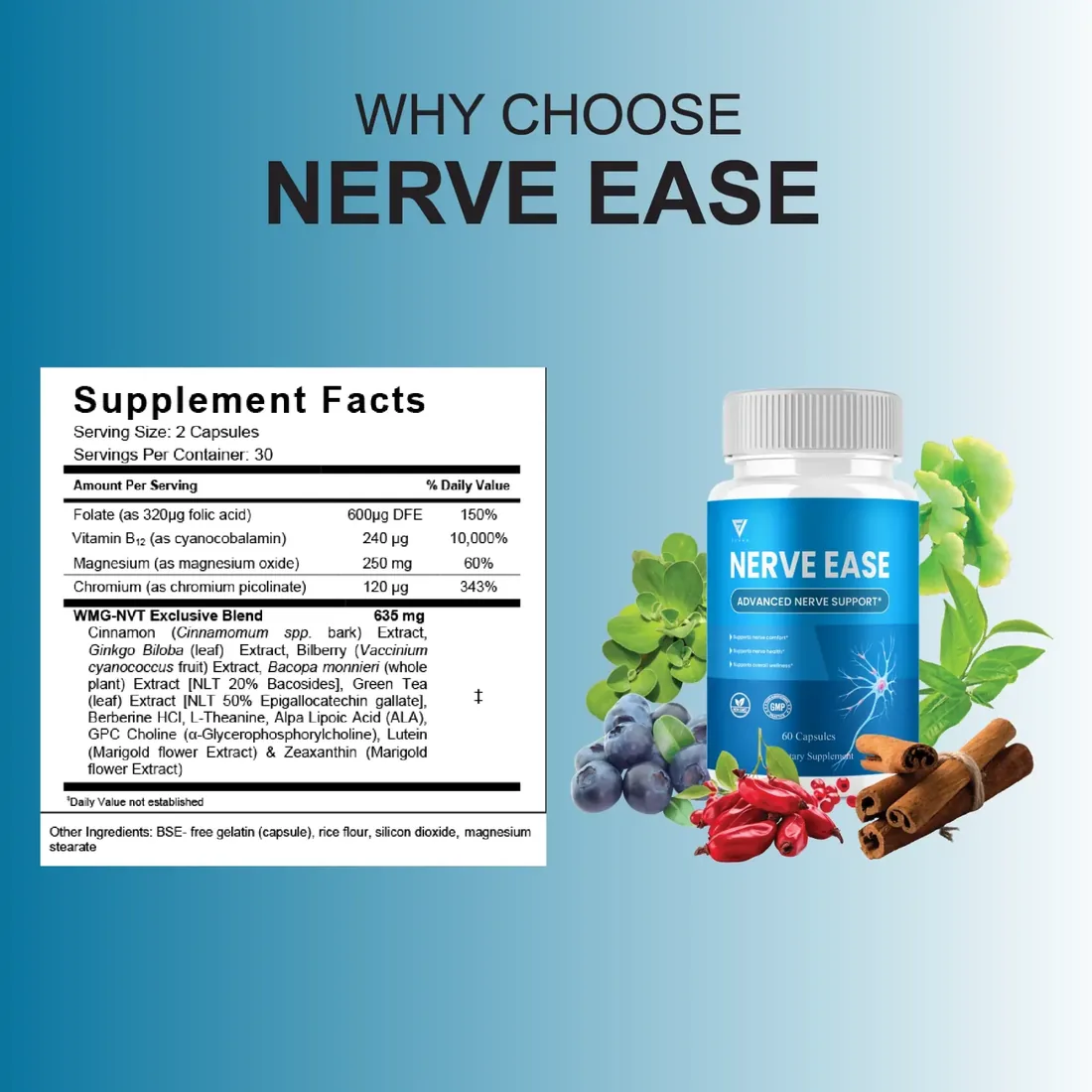
What exactly is the green tea extract printed on the Nerve Ease panel?
Tea leaves from Camellia sinensis are concentrated into an extract and graded by EGCG (epigallocatechin gallate), the main catechin in tea. The label promises that grade, not an amount.
- Serving size One serving is 2 capsules, and each bottle has 30 of them.
- The 635 mg blend This weight covers all ten blend ingredients together. Green tea extract has no weight of its own.
- Green tea leaf extract Fifth name in the blend. Its only number is a strength: at least half EGCG by weight.
- The double dagger This symbol points to a footnote: none of the blend ingredients has a Daily Value.
- Advanced Nerve Support A front-label claim. No green tea study in our sources measured nerve symptoms.
Tap a number to read each note. Nothing on the panel tells you if the extract brings caffeine with it, or how much of the blend it fills.
Does green tea extract help nerves, numbness or nerve pain?
No source we opened tested it for that. The human research on green tea and its parts looked at attention, memory and mood, not at tingling feet, burning pain or neuropathy scores.
| Source | What it looked at | Amount | What it found |
|---|---|---|---|
| Mancini 2017 review (Phytomedicine 2017, Mancini et al., Green tea and cognition) | 21 studies of green tea or its parts, 4 of them randomized | Not given on the page | Benefits for attention and memory showed up mostly where caffeine and L-theanine were combined |
| ADDF summary on EGCG (Alzheimer's Drug Discovery Foundation, EGCG) | EGCG alone and thinking | EGCG 9 to 300 mg daily | No long-term studies; one dose in healthy adults did little |
| Nerve pain, tingling or neuropathy | Any trial in our sources | None | No study found |
The 2017 authors also said the effects of the drink cannot be pinned on any single part of it. That matters here, because an EGCG extract is only one part of tea.
If your feet tingle, burn or feel numb, the questions that matter most are about cause. Agencies point to blood sugar control, daily foot checks and a check for low B12, not to tea extracts. CDC says people with diabetes can prevent or delay nerve damage by closely managing blood sugar (CDC, Diabetes and Nerve Damage), and our B12 and folate page explains the vitamin side.
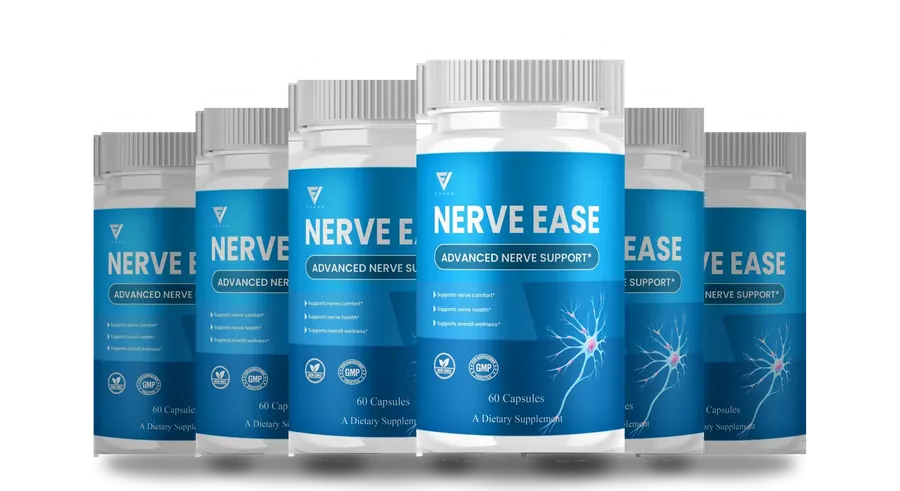
Thinking about Nerve Ease? The best price is on the 15-bottle pack.
15 bottles for $152.88, $10.19 a bottle. eBay buyer protection · Free US shipping · Secure checkout.
How much EGCG could two capsules contain?
Nobody outside the maker can say. Our arithmetic gives an upper bound only, and only if the panel follows the FDA rule that blend ingredients are listed heaviest first (FDA, Dietary Supplement Labeling Guide, Ch. IV).
Green tea extract is fifth of ten. If each of the four earlier names is at least as heavy, five equal shares of 635 mg are about 127 mg each, so the extract cannot be more than that. EGCG is part of the extract, so it is lower still. Even if the whole blend were green tea extract at 50% EGCG, the most would be about 317 mg.
Those numbers are ceilings, not the real amount. Neither one proves the extract is gentle on the liver, because the liver reactions described below are rare and are not clearly tied to dose.
Can green tea extract harm the liver?
Yes, in rare cases. LiverTox, NIDDK's reference on drug-related liver damage, puts green tea extract in its top likelihood group (score A) for causing liver injury (LiverTox (NIDDK), Green Tea). Brewed tea as a drink is not tied to those cases.
A few people died of liver failure. The case reports LiverTox describes involved products giving about 800 mg to 1.9 g of extract a day.
Europe's food safety agency saw no liver signal under 800 mg of EGCG daily, yet declined to call any dose safe (EFSA, Safety of green tea catechins (news)). NCCIH adds that an immune gene variant, carried by 5 to 15 percent of Americans, appears to raise the odds of a reaction (NCCIH, Green Tea: Usefulness and Safety).
Besides the liver, what else can a green tea extract do?
Extracts can cause nausea, constipation, stomach discomfort and a rise in blood pressure. They may also interact with some medicines.
- NCCIH flags two prescription drugs: nadolol, used for blood pressure, and atorvastatin, used for cholesterol (NCCIH, Green Tea: Usefulness and Safety).
- Green tea extract may slow CYP3A4, an enzyme the liver uses to break down a long list of medicines (Memorial Sloan Kettering, Green Tea (About Herbs)).
- Caffeine is not listed on the label, so the amount it adds is unknown.
Berberine in the same blend also affects liver enzymes that process drugs. The berberine page lists those interactions, and the Nerve Ease side effects page puts every ingredient side by side.
Why is a tea extract part of a nerve support product?
The label gives no reason. Nerve Ease names its blend ingredients but never says what each one is for.
Two brand graphics for this product mention antioxidants, but they do not tie the word to any ingredient. None of the brand graphics mention nerves, and the word antioxidant is not evidence of a nerve effect.
Tea's best-studied pairing for attention is caffeine with L-theanine, and L-theanine has its own place in the blend. See the L-theanine page for what those short studies showed.
Who is better off without green tea extract?
Two groups above all: people with liver problems, and women who are pregnant or nursing, whom the Nerve Ease bottle itself excludes. Everyone else on regular medicine should ask a pharmacist first.
- Your liver tests have ever come back abnormal, or you have liver disease.
- You are pregnant or nursing, or you are under 18.
- Your medicines include nadolol, atorvastatin or another drug cleared by CYP3A4.
- You already take another green tea or EGCG product, which would stack catechins.
- You have high blood pressure that is hard to control.
Green tea extract in a nerve formula: FAQ
Is green tea extract bad for the liver?
In rare cases, yes. LiverTox puts it in its highest likelihood group, with most cases showing up 1 to 6 months in; brewed tea is not part of the problem.
Does green tea extract help nerves?
Our sources contain no test of it for nerve pain, tingling or neuropathy. Its human research is about attention, memory and mood.
What daily EGCG amount is considered safe?
There is no agreed figure. EFSA links 800 mg or more a day from supplements to possible early liver harm and saw no signal below it, but would not call any amount safe.
How much EGCG is in Nerve Ease?
Not printed. If the 635 mg blend is listed by weight, the green tea extract is at most about 127 mg, and EGCG is only part of that.
Is drinking green tea the same as taking the extract?
Not in safety terms. For adults, NCCIH lists no safety concerns with the drink; the liver cases come from extracts in pills or capsules.
Which drugs can green tea extract affect?
Nadolol and atorvastatin are the examples NCCIH gives. Memorial Sloan Kettering adds that it may slow CYP3A4, so other drugs cleared that way could be affected.
Does the green tea extract in Nerve Ease contain caffeine?
Unknown. No caffeine line appears on the panel, and the extract is not called decaffeinated.
Can green tea extract raise blood pressure?
NCCIH lists higher blood pressure among the possible effects of extracts, along with nausea, constipation and stomach discomfort.
Page check
Written by
Checks each line against the bottle images, the eBay listing and nerve-health sources from NIH, CDC and FDA before it is published.
Medically reviewed by
Dr. Stephen Barrett, DPM, Podiatrist
Medical reviewer. Review date: October 12, 2026.
- Last checked October 12, 2026
- Facts from the bottle, the sales page and the sources cited above
- Found an error? Write to [email protected] or read how we check facts