Magnesium in Nerve Ease: 250 mg of Oxide and What Nerve-Pain Research Shows
Quick answer
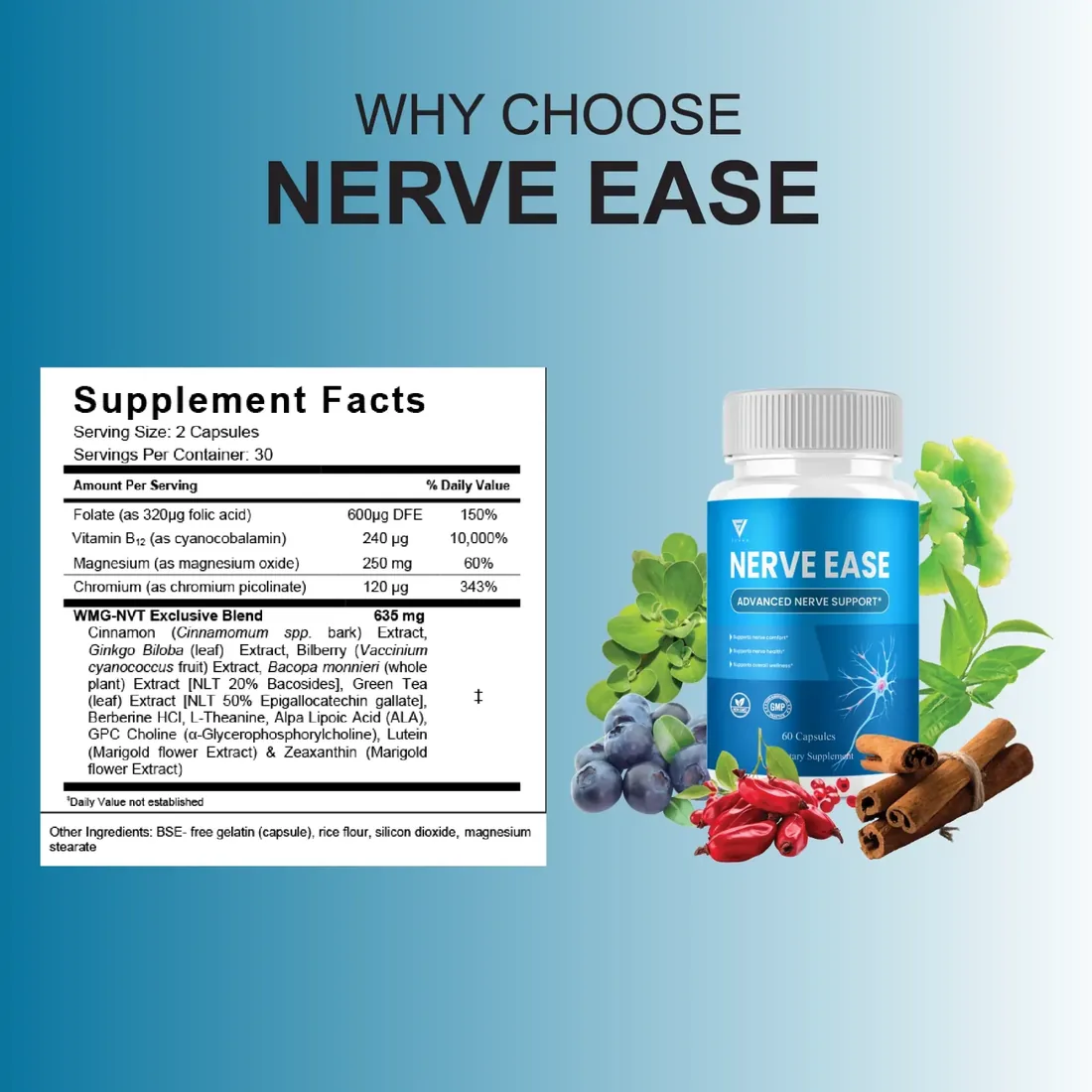
Each 2-capsule serving of Nerve Ease contains 250 mg of magnesium in the oxide form (label: 60% DV). A 2020 review found only 3 small nerve-pain trials, 62 people in all, and called the pain evidence equivocal. Adults should keep supplement magnesium at or under 350 mg a day, and oxide absorbs poorly and can loosen stools.
Does magnesium help nerve pain?
Nobody can say yet. The best summary we found, a 2020 systematic review of magnesium for chronic pain, rated the evidence "equivocal" (Park et al., Magnesium for chronic pain (Anesth Analg 2020)).
Those trials used different doses and routes, IV drips included, and were too unlike each other to pool. Side effects were reported so unevenly that safety could not be judged, and the authors asked for bigger trials. With so few people, a result can tip either way by chance.
A 2024 review of US guidelines lists magnesium among nutritional products for painful diabetic neuropathy, but gives no efficacy data for it (Mallick-Searle & Adler, US guidelines for painful diabetic neuropathy (J Pain Res 2024)). No source we opened supports 250 mg of oral magnesium oxide for neuropathy or sciatica.
What does Nerve Ease actually claim about magnesium?
Nothing about nerve pain. The label prints an amount and a form; the nerve wording on the front is general, and the brand art ties minerals to other goals.
- On the label
Supports nerve comfort
Front of the bottleGeneral wording with the FDA asterisk. It is not tied to magnesium, and nerve comfort is not a measured clinical result.
- Marketing only
Supports digestion, energy, mental clarity, and daily mineral intake
Brand benefit graphicThe only mineral line in the brand art, and it says nothing about nerves.
- Not shown
Magnesium for nerve pain
A common search, not the labelNeither the label nor the brand graphics claim it, and the trial evidence is equivocal.
- Not shown
A well-absorbed form
Not on the labelThe label names oxide, which NIH ranks below several other forms for absorption.
- Label line
- Magnesium (as magnesium oxide)
- Per 2 capsules
- 250 mg; the 60% DV is based on a 420 mg Daily Value
- Also on the label
- Magnesium stearate in the other ingredients list, unweighed
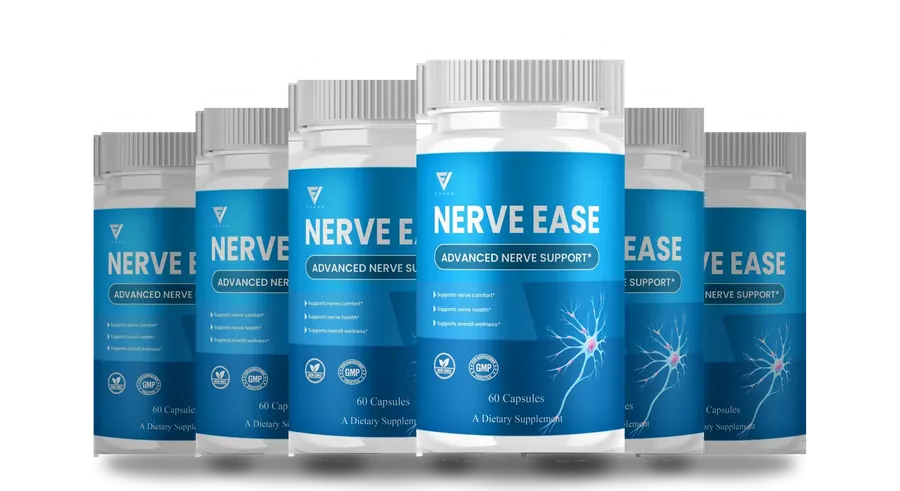
Thinking about Nerve Ease? The best price is on the 15-bottle pack.
15 bottles for $152.88, $10.19 a bottle. eBay buyer protection · Free US shipping · Secure checkout.
Is magnesium oxide a good form to take?
It is the form this label uses, but not one of the better absorbed. NIH puts four forms ahead of oxide for absorption: aspartate, citrate, lactate and chloride (NIH ODS, Magnesium (health professional)).
| Form | Absorption, per NIH | In Nerve Ease? |
|---|---|---|
| Magnesium oxide | Less complete than the four forms below | Yes, 250 mg |
| Magnesium citrate | More complete than oxide | No |
| Magnesium aspartate | More complete than oxide | No |
| Magnesium lactate | More complete than oxide | No |
| Magnesium chloride | More complete than oxide | No |
| Magnesium glycinate | Not compared in the NIH summary we used | No |
What about magnesium glycinate for nerve pain?
It is a popular search, and we found no trial of glycinate for nerve pain in the sources we opened. The 350 mg limit covers magnesium from every supplement form, glycinate included, so switching forms does not raise the safe total.
A better-absorbed form is still not a nerve treatment. Absorption tells you how much reaches the blood, not whether it changes tingling or pain, and no form has shown that in the sources we read.
How close does one serving come to the 350 mg limit?
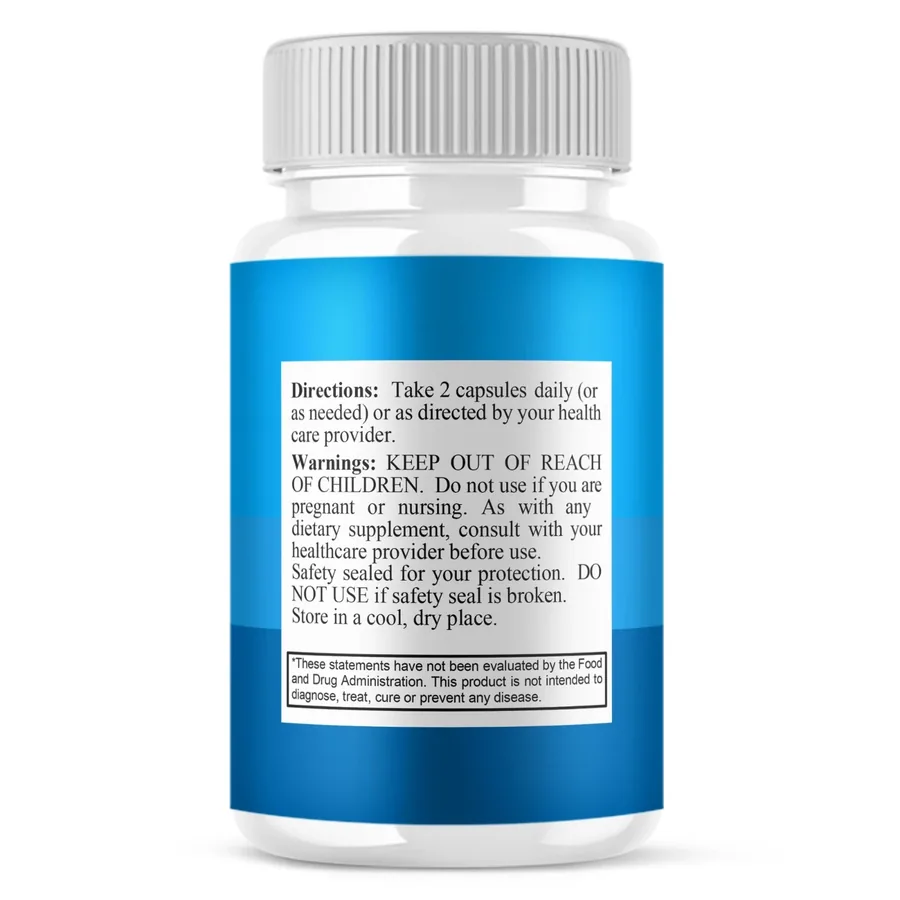
Closer than most people expect. For adults, magnesium from supplements and medicines should stay at or below 350 mg a day (NIH ODS, Magnesium (health professional)), and one serving of Nerve Ease takes 250 mg of it. Follow the running total.
- 250 mg
One serving, as labeled
Two capsules give 250 mg of magnesium from oxide.
- 100 mg
Room left under the limit
A multivitamin or a magnesium medicine can fill this gap fast.
- 500 mg
A second serving
The back label says "or as needed". A second serving puts you 150 mg over the limit.
- Food
Not counted
Magnesium in meals sits outside the 350 mg cap.
What can magnesium oxide do to your stomach and your medicines?
Loose stools top the list. Per NIH, high doses from pills or medicines often bring diarrhea, plus nausea or stomach cramps in some people; oxide is named among the most frequent offenders (NIH ODS, Magnesium (health professional)).
Magnesium can also block part of the uptake of bisphosphonates, the bone-strengthening drugs, and of some antibiotics. Ask your pharmacist about spacing the doses.
Who should ask before taking it
- Anyone already taking another magnesium product or medicine
- People on a bisphosphonate or a course of antibiotics
- Anyone whose nerve symptoms have not been checked by a doctor
If magnesium is not the answer, what do doctors check for tingling feet?
They look for the cause, because treating it is what can help the nerves. NIH names diabetes as the leading cause of peripheral neuropathy in the US, with low vitamin B12, too much vitamin B6, alcohol, some medicines, and kidney, liver or autoimmune disease also on the list (NINDS, Peripheral Neuropathy). Magnesium is not one of the vitamin or mineral causes it names.
For people with diabetes, the CDC says closely managing blood sugar can prevent or delay nerve damage, and it asks for a doctor visit for burning, tingling or pain that disturbs daily life or sleep (CDC, Diabetes and Nerve Damage). Prescription medicines for painful diabetic neuropathy exist, and even those ease pain without restoring feeling (American Family Physician, Diabetic Peripheral Neuropathy (2024)).
Our nerve health guide walks through these causes in plain language.
What does magnesium add to Nerve Ease?
Some extra magnesium, at a price: modest absorption, a real chance of loose stools and no proven nerve effect. It is the one labeled nutrient that sits close to its supplement limit.
For the nerve ingredient with the most research, see the alpha lipoic acid page. The B vitamins are on the B12 and folate page, and every possible reaction is on the Nerve Ease side effects page. Daily directions are on how to use.
Magnesium and nerve pain: what people ask
Does magnesium help nerve pain?
Not proven. A 2020 review found just 3 small nerve-pain trials with 62 people in total and called the overall pain evidence equivocal.
Which magnesium is best for nerve pain?
None of the sources we opened shows any form easing nerve pain. Absorption does vary: NIH ranks oxide, the form in Nerve Ease, below citrate, chloride, lactate and aspartate.
What is the magnesium dosage for nerve pain?
No tested oral dose exists for nerve pain in our sources, and the trials mixed pills with IV use. The firm number is a ceiling: adults should keep magnesium from pills and medicines to 350 mg a day or less.
Why does magnesium oxide cause loose stools?
NIH says high magnesium doses from supplements or medicines often loosen stools, occasionally along with nausea or stomach cramps, and oxide is among the most frequent offenders.
How much supplemental magnesium is too much in a day?
More than 350 mg for adults, counting supplements and medicines but not food. One Nerve Ease serving uses 250 mg of that.
How well does the body absorb magnesium oxide?
Less well than several common forms, according to NIH. That is one reason a higher number on a label does not always mean more magnesium reaches you.
Does magnesium help sciatica?
No source we opened supports magnesium oxide for sciatica. Sudden leg weakness or numbness, or trouble controlling bladder or bowels, needs urgent care.
Does magnesium help nerve pain at night or with sleep?
None of our sources tested that. Nerve symptoms that worsen at night are common in diabetic neuropathy and deserve a doctor's look.
Page check
Written by
Checks each line against the bottle images, the eBay listing and nerve-health sources from NIH, CDC and FDA before it is published.
Medically reviewed by
Dr. Stephen Barrett, DPM, Podiatrist
Medical reviewer. Review date: October 12, 2026.
- Last checked October 12, 2026
- Facts from the bottle, the sales page and the sources cited above
- Found an error? Write to [email protected] or read how we check facts